Climate Change: Global Responses and Local Actions
Climate change is one of the most pressing issues of our time, affecting ecosystems, economies, and communities around the world. Tackling this complex challenge requires coordinated global efforts combined with meaningful local actions. By understanding the dynamics of climate change and our role in addressing it, we can work collectively to create a sustainable future.
Understanding Climate Change
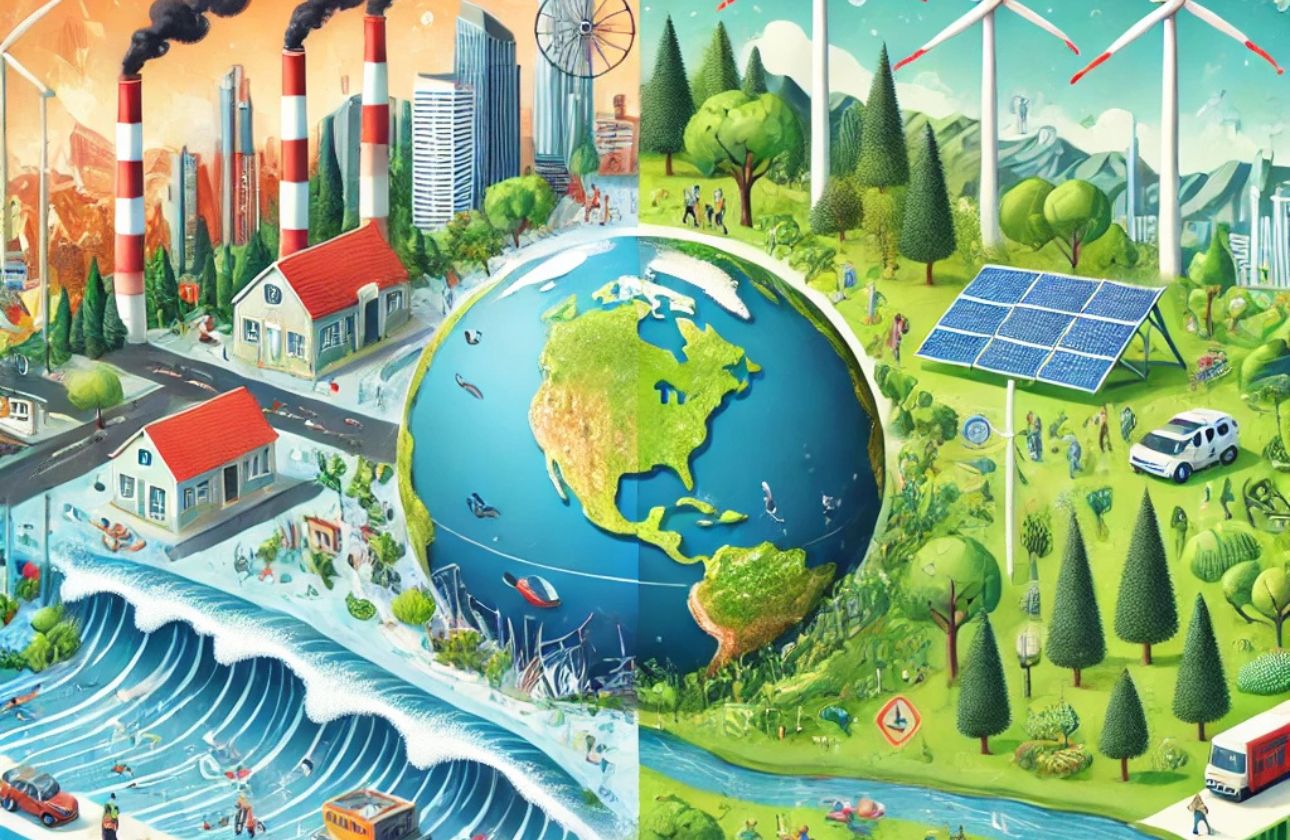
Climate change refers to long-term shifts in temperatures and weather patterns, primarily caused by human activities such as burning fossil fuels, deforestation, and industrial processes. These activities increase greenhouse gas emissions, trapping heat in the atmosphere and leading to global warming. The consequences include rising sea levels, extreme weather events, loss of biodiversity, and disruptions to food and water supplies.
Global Responses to Climate Change
- International Agreements: The Paris Agreement, adopted in 2015, is a landmark international treaty aimed at limiting global warming to well below 2°C above pre-industrial levels. Countries commit to reducing greenhouse gas emissions and enhancing adaptation measures.
- Renewable Energy Transition: Many nations are investing in renewable energy sources like solar, wind, and hydroelectric power. These alternatives reduce dependence on fossil fuels and contribute to sustainable energy solutions.
- Carbon Pricing: Mechanisms such as carbon taxes and cap-and-trade systems incentivize businesses and individuals to lower emissions by putting a financial cost on carbon pollution.
- Global Reforestation Initiatives: Efforts like the Trillion Tree Campaign focus on restoring forests, which act as carbon sinks, absorbing CO2 from the atmosphere.
- Technology and Innovation: Advances in green technology, such as electric vehicles and carbon capture systems, are crucial in mitigating climate impacts.
Local Actions for Climate Mitigation
- Community Renewable Projects: Local solar or wind energy projects can provide clean energy and reduce community reliance on fossil fuels.
- Sustainable Transportation: Encouraging the use of public transport, cycling, carpooling, and electric vehicles helps lower carbon emissions.
- Urban Green Spaces: Planting trees and creating parks in urban areas can reduce the urban heat island effect, improve air quality, and promote biodiversity.
- Energy Efficiency at Home: Simple changes, such as using energy-efficient appliances, LED lighting, and proper insulation, can significantly reduce household energy consumption.
- Waste Reduction and Recycling: Reducing waste, composting organic materials, and recycling can lower the environmental footprint of local communities.
- Education and Advocacy: Raising awareness about climate change and advocating for sustainable policies at local levels can drive collective action and political will.
The Power of Individual Action
While systemic changes are essential, individual actions also play a critical role. Small, consistent efforts—such as conserving water, reducing meat consumption, supporting eco-friendly businesses, and voting for climate-conscious leaders—can collectively make a significant impact.
Climate change is a global challenge that demands both international cooperation and local commitment. By aligning global policies with grassroots initiatives, we can address this crisis effectively. Every step we take—from adopting sustainable habits to pushing for ambitious climate policies—brings us closer to a resilient and equitable future.
The time to act is now. Together, our global and local efforts can make a difference.
Prev Article
Revolutionizing Remote Work: How Startups Are Shap...
Next Article
The Importance of Effective Study Habits for Acade...













Leave a Comment