Terms of use dolor sit amet consectetur, adipisicing elit. Recusandae provident ullam
aperiam quo ad non corrupti sit vel quam repellat ipsa quod sed, repellendus adipisci,
ducimus ea modi odio assumenda.
Disclaimers
Lorem ipsum dolor sit amet consectetur adipisicing elit. Sequi, cum esse possimus
officiis amet ea voluptatibus libero! Dolorum assumenda esse, deserunt ipsum ad iusto!
Praesentium error nobis tenetur at, quis nostrum facere excepturi architecto totam.
Lorem ipsum dolor sit amet consectetur adipisicing elit. Inventore, soluta alias eaque
modi ipsum sint iusto fugiat vero velit rerum.
Limitation on Liability
Sequi, cum esse possimus officiis amet ea voluptatibus libero! Dolorum assumenda esse,
deserunt ipsum ad iusto! Praesentium error nobis tenetur at, quis nostrum facere
excepturi architecto totam.
Lorem ipsum dolor sit amet consectetur adipisicing elit. Inventore, soluta alias eaque
modi ipsum sint iusto fugiat vero velit rerum.
Copyright Policy
Dolor sit amet consectetur adipisicing elit. Sequi, cum esse possimus officiis amet ea
voluptatibus libero! Dolorum assumenda esse, deserunt ipsum ad iusto! Praesentium
error nobis tenetur at, quis nostrum facere excepturi architecto totam.
Lorem ipsum dolor sit amet consectetur adipisicing elit. Inventore, soluta alias eaque
modi ipsum sint iusto fugiat vero velit rerum.
General
Sit amet consectetur adipisicing elit. Sequi, cum esse possimus officiis amet ea
voluptatibus libero! Dolorum assumenda esse, deserunt ipsum ad iusto! Praesentium
error nobis tenetur at, quis nostrum facere excepturi architecto totam.
Lorem ipsum dolor sit amet consectetur adipisicing elit. Inventore, soluta alias eaque
modi ipsum sint iusto fugiat vero velit rerum.
We use cookies to ensure you get the best experience on our website. By continuing
to use our site, you accept our use of cookies, Privacy Policy, and Terms of Service.
Foods Recommended by Experts to Enhance Brain Heal...
Foods Recommended by Experts to Enhance Brain Health and Prevent Dementia
While many are familiar with foods to steer clear of for a healthy heart, have you considered the impact of your diet on brain health? Scientifically, it's established that what we eat can significantly influence brain health. According to Dr. Robert Melillo, a brain researcher and founder of The Melillo Center in Long Island, New York, although the brain constitutes only 2% of our body weight, it consumes about 20% of our total calories. This emphasizes the substantial impact that our dietary choices can have on brain function and health.
Maintaining a healthy brain relies significantly on diet and nutrition. According to Dr. Brett Osborn, a board-certified neurosurgeon and head of neurosurgery at St. Mary’s Medical Center in Jupiter, Florida, "A proper diet forms the cornerstone of our mental sharpness and overall vitality. Just as we prioritize our physical well-being through exercise and a well-rounded diet, nourishing our brains with appropriate foods is crucial for a lively and enduring cognitive function."
Although the exact causes of Alzheimer's disease, a form of dementia, remain unknown to scientists, many believe that diet and environmental factors may contribute. A study published in the journal Neurology in November 2022 suggested that an increased intake of flavonoid-rich foods could potentially reduce the risk of developing dementia.
Dr. Dale Bredesen, a neuroscience researcher specializing in neurodegenerative diseases, highlighted the primary factors contributing to Alzheimer's disease: diminished energetics involving blood flow, oxygen levels, mitochondrial function, and ketones, alongside heightened inflammation from diverse sources such as pathogens, toxins, and metabolic disorders. He emphasized the influence of diet and environmental factors on both energetics and inflammation, asserting their pivotal roles in Alzheimer's disease development and the treatment of cognitive decline through various mechanisms.
As per Dr. Philip Gold, the head of neuroendocrine research and a senior investigator at the National Institute of Mental Health, crucial beneficial environmental factors encompass exercise—remarkably significant—education levels, and continuous cognitive stimulation across one's lifespan. Additionally, ensuring adequate sleep is vital. Dr. Gold highlighted the critical role of sufficient sleep in brain repair, as it is during this period that the brain undergoes repair processes.
Consistently consuming unhealthy foods can result in adverse effects on both the body and the brain. Dr. Osborn pointed out that an unwholesome diet could detrimentally affect the gut microbiota, potentially leading to inflammation that might impact the brain. He also emphasized that individuals who are overweight, most of whom possess an unhealthy gut microbiome, face a significant risk of developing Alzheimer's dementia.
Which specific foods contribute most to brain health? Let's delve into the details provided by the experts below.
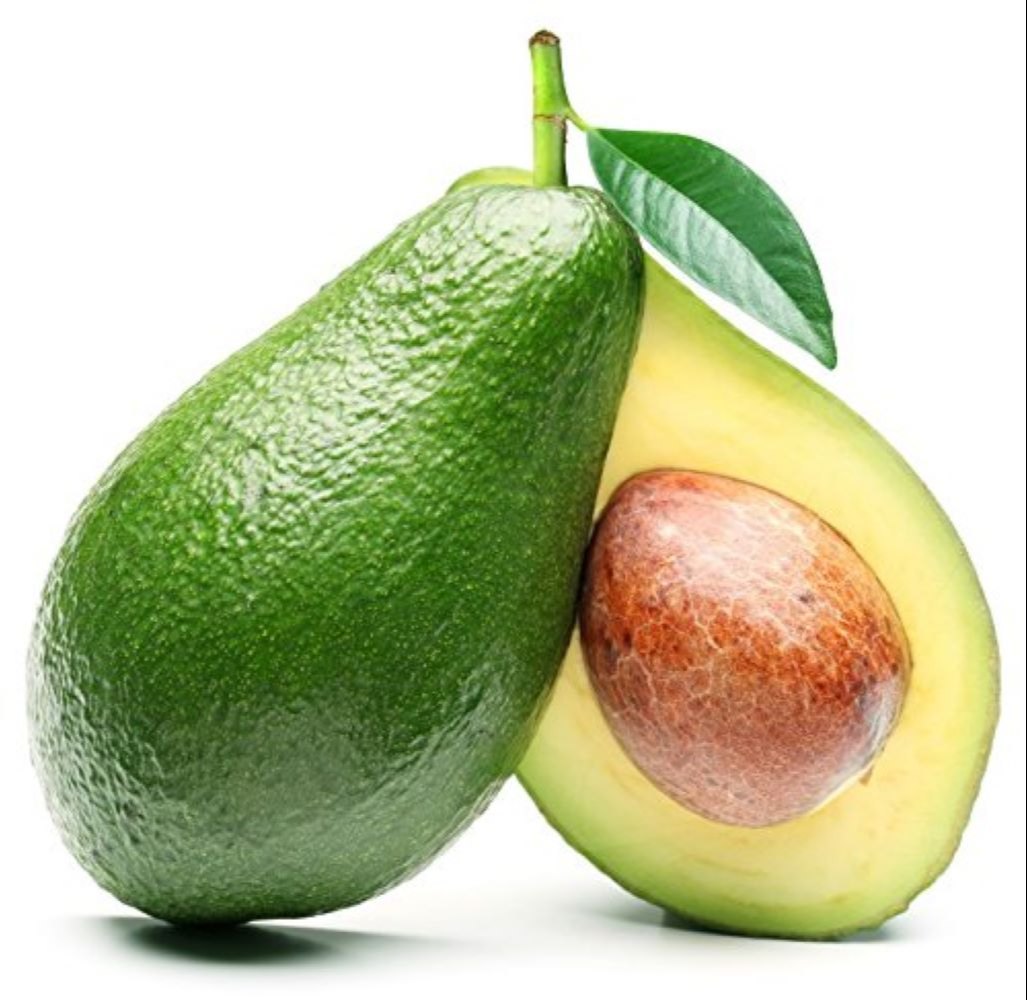
Avocado
Enjoy indulging in guacamole, spreading avocado on toast, or incorporating it into salads or rice bowls? Avocados are rich in beneficial monounsaturated fats. According to Bredesen, "These fats aid in decreasing vascular disease and offer superb energy for the brain, without the issues linked to simple carbohydrates or saturated fats."
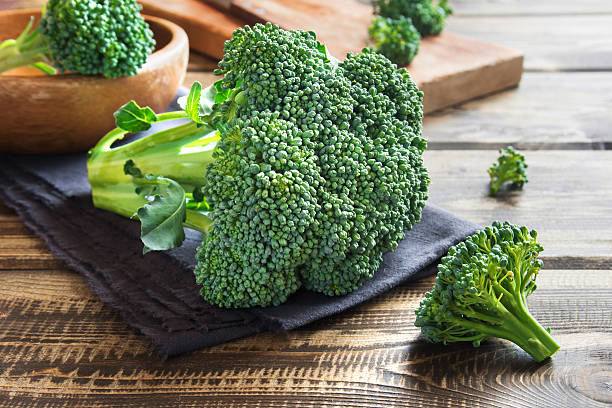
Broccoli
Regardless of whether you prefer broccoli steamed with melted cheese, incorporated into stir-fries, or discreetly added to your smoothies, exploring additional methods to savor this crisp vegetable might be worthwhile.
Dr. Osborn highlighted, "Broccoli, classified as a cruciferous vegetable, contains compounds such as sulforaphane, which have been associated with decreased inflammation and enhanced brain health." A 2019 study in the journal Brain Circulation revealed sulforaphane's significance as a potent antioxidant with anti-inflammatory properties. This compound exhibits promising potential in safeguarding the nervous system and alleviating the impact of prevalent diseases on the body.
Blueberries
If you enjoy adding blueberries to your morning yogurt bowl, your brain will express gratitude. According to Lynn A. Schaefer, Ph.D., a board-certified clinical neuropsychologist based in Long Island, "Blueberries contain flavonoids that offer neuroprotective properties, demonstrated to enhance neuroplasticity and cerebral blood flow." A 2022 randomized, double-blind placebo-controlled study published in Nutritional Neuroscience indicated that older adults consuming wild blueberries experienced increased processing speed, suggesting a potential for blueberries to decelerate cognitive decline.
Moreover, these diminutive berries boast a wealth of antioxidants, notably anthocyanins. Osborn notes that anthocyanins can "shield the brain against oxidative stress and inflammation." He incorporates blueberries into his daily diet, often enjoying them in smoothies or atop salads.
Eggs
Eggs are renowned as a valuable protein source, particularly for individuals following a vegetarian or plant-based diet. Another notable aspect to appreciate about eggs is their inclusion of choline within the yolk. Choline stands as an essential nutrient crucial for acetylcholine production.
"Acetylcholine serves as a neurotransmitter vital for the parasympathetic nervous system and memory," elucidated Melillo. While choline is present in various foods, its highest concentration is found in egg yolks. Gold highlighted, "Acetylcholine neurotransmission, fundamental for regular cognition, experiences a significant decline in Alzheimer's disease."












Leave a Comment