Search

Saved articles

You have not yet added any article to your bookmarks!

Browse articles
Newsletter image

Subscribe to the Newsletter

Join 10k+ people to get notified about new posts, news and tips.

Do not worry we don't spam!

GDPR Compliance

We use cookies to ensure you get the best experience on our website. By continuing to use our site, you accept our use of cookies, Privacy Policy, and Terms of Service.

The Future of Electric Vehicles: Innovations and Trends

The Future of Electric Vehicles: Innovations and Trends

The electric vehicle (EV) industry is rapidly evolving, bringing exciting innovations and trends that promise to revolutionize transportation. From advancements in battery technology to the integration of smart features, the future of EVs is brighter than ever. In this blog, we’ll explore key innovations and trends shaping the EV landscape.

Key Innovations in Electric Vehicles

  1. Next-Generation Batteries:   Solid-state batteries are emerging as a game-changer, offering higher energy density, faster charging, and improved safety compared to traditional lithium-ion batteries.
  2. Wireless Charging:   Inductive charging pads are being developed to eliminate the need for physical cables, making charging more convenient for EV owners.
  3. Autonomous Driving:   Many EVs are now equipped with advanced driver-assistance systems (ADAS), paving the way for fully autonomous vehicles in the near future.
  4. Vehicle-to-Grid Technology (V2G):  This innovation allows EVs to supply power back to the grid during peak demand, promoting energy efficiency and grid stability.
  5. Enhanced Range:   Manufacturers are focusing on improving the range of EVs, with many models now exceeding 400 miles on a single charge.

Emerging Trends in the EV Market

  1. Affordability:   As production scales up and battery costs decrease, EVs are becoming more affordable for the average consumer.
  2. Electric Commercial Vehicles:   The rise of electric buses, trucks, and delivery vans is transforming the logistics and public transport sectors.
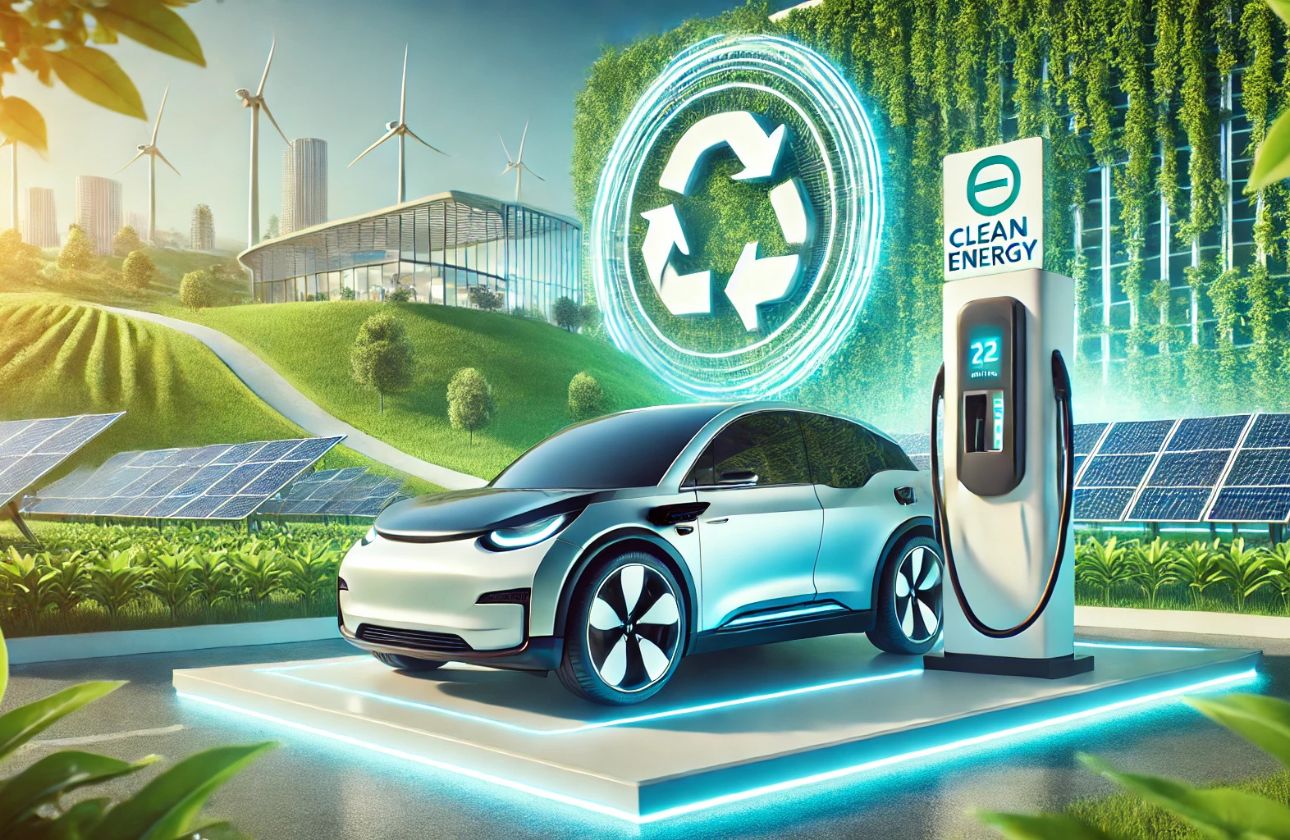
  3. Sustainability:   Companies are adopting sustainable manufacturing processes and using recycled materials to produce EV components.
  4. Global Collaboration:   Governments and automakers worldwide are working together to build robust charging infrastructures and promote EV adoption.
  5. Luxury Electric Vehicles:   Premium brands are entering the EV market, offering high-performance vehicles with cutting-edge technology and design.

Challenges to Overcome

Despite the progress, some challenges remain:

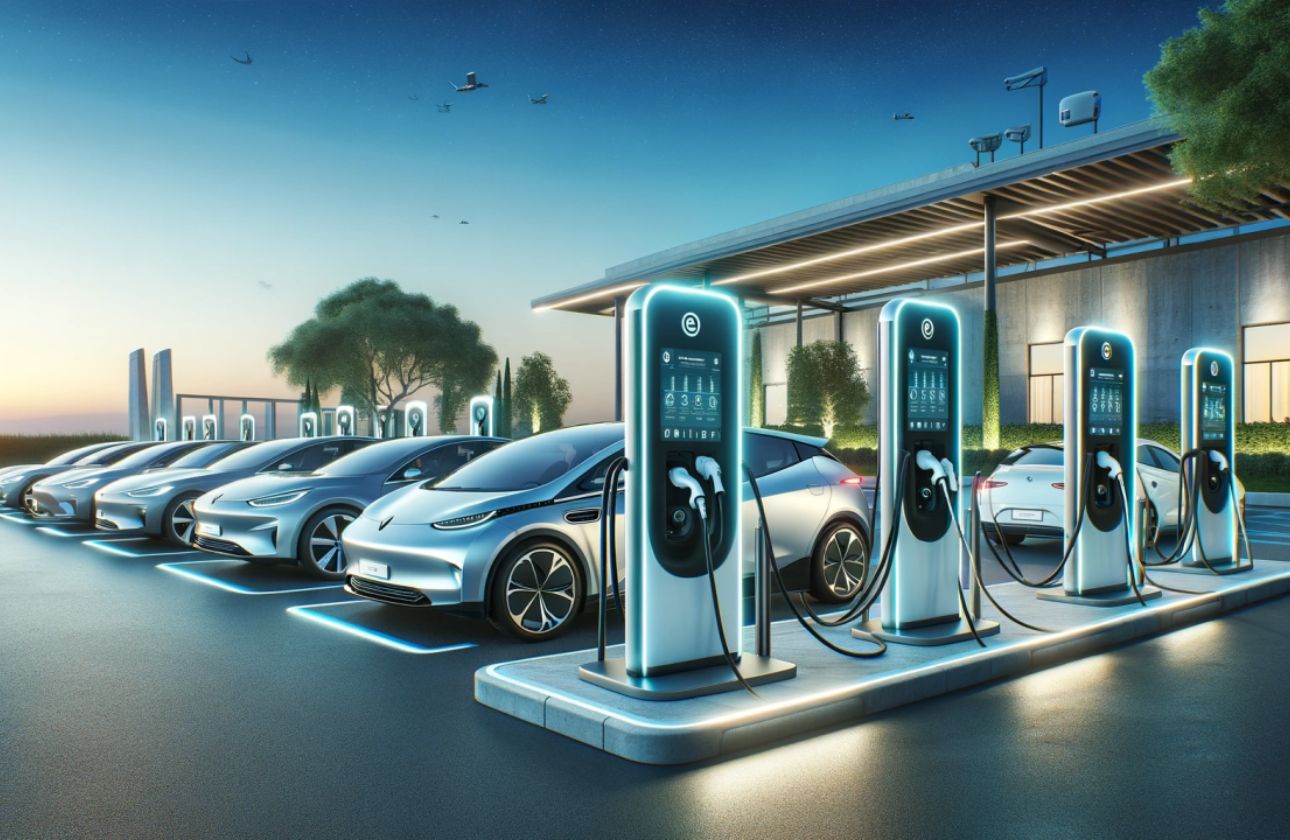
  • Charging Network Expansion:   More charging stations are needed to meet growing demand, especially in rural areas.
  • Battery Recycling:   Efficient recycling methods must be developed to handle the increasing number of used batteries.
  • Consumer Awareness:   Educating consumers about EV benefits and addressing range anxiety are crucial for wider adoption.

The Road Ahead

The future of electric vehicles is marked by innovation and collaboration. With advancements in technology and increasing global support, EVs are set to become the cornerstone of sustainable transportation. Whether it’s through autonomous driving, enhanced energy efficiency, or greener production methods, the electric vehicle industry is driving us toward a smarter and more sustainable future.


Prev Article
Unlocking the Secrets of Successful Gardening
Next Article
Revolutionizing Transportation: The Electric Vehic...

Related to this topic:

Comments (0)

Leave a Comment